Khustai, Orkhon Valley, Naiman Nuur & Karakorum
A soulful Mongolia horse riding journey through wild steppe, Takhi horse country, nomad hospitality, ancient stone sites, dune landscapes, mountain passes, high lakes, river camps, and the imperial memory of Karakorum.
Mongolia is a country that asks you to move differently. Not quickly. Not loudly. But with rhythm.
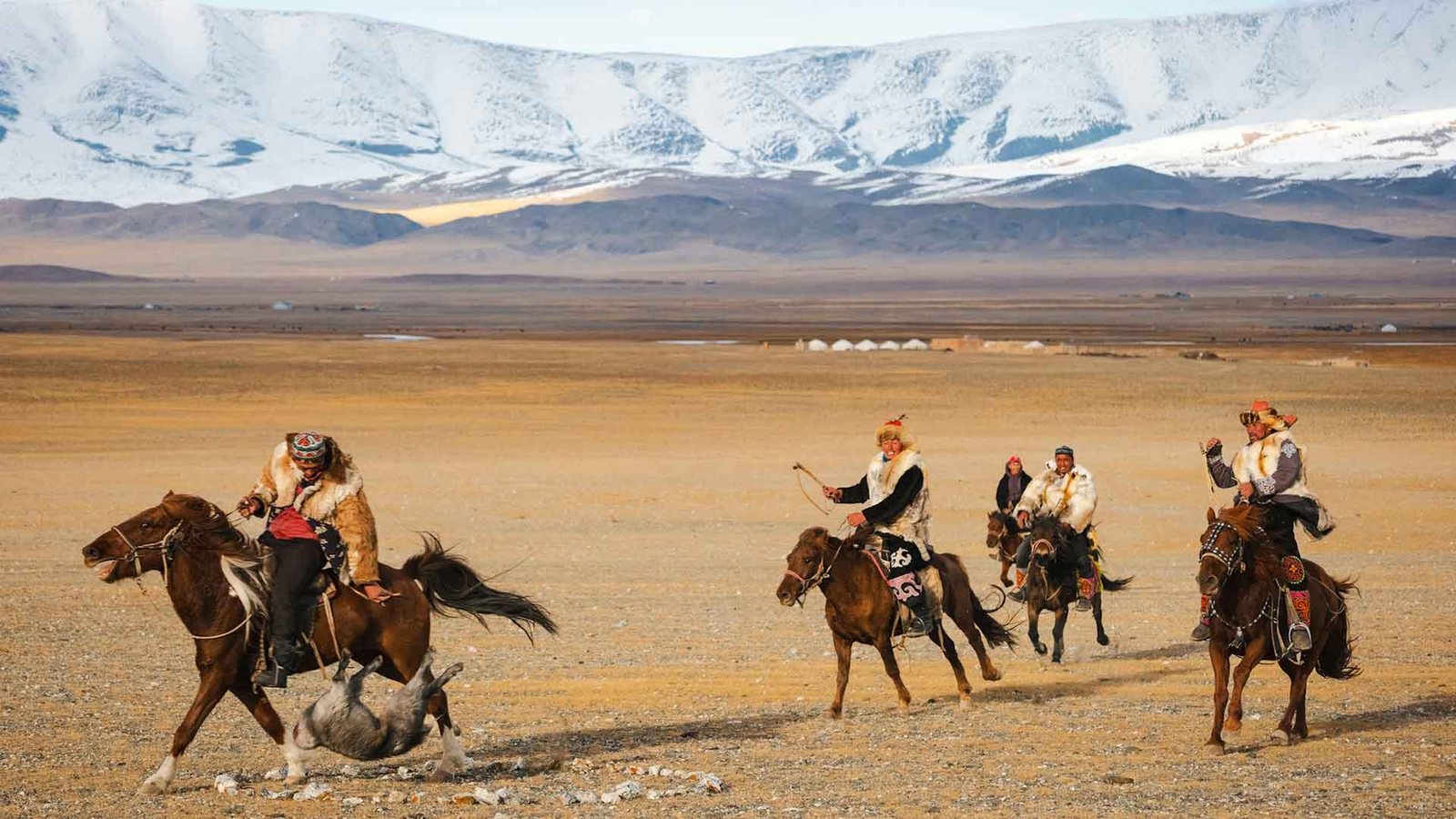
This journey is designed for travellers who want to experience Mongolia from the saddle slowly, physically, and close to the land. You begin in Ulaanbaatar, grounding yourself in the country’s cultural context, before entering the open steppe of Khustai Nuruu, where the wild Takhi horses still carry the memory of an older world.
From there, the route deepens: ancient Turkic stones, Bronze Age grave sites, nomad family encounters, fire-cooked meals, ger camps, sand dunes, monasteries, mountain trails, yak-breeding families, alpine lake systems, river camps, and the old imperial landscape of Karakorum.
This is not a soft sightseeing tour. It is an active, immersive journey into Mongolia’s elemental beauty where days are shaped by horses, weather, silence, firelight, and the quiet pride of completing something real.
Begin your journey toward Mongolia, a country where distance itself becomes part of the experience. As you leave behind familiar routines, the mind begins to adjust to the scale of what lies ahead: open horizons, horse trails, ger camps, mountain lakes, and nights beneath a clean, faraway sky.
This is the first threshold—the movement from ordinary time into steppe time.
Arrive in Ulaanbaatar, Mongolia’s capital, and ease into the journey with a soft introduction to the city. The day is deliberately gentle after travel: a comfortable transfer, time to settle, and a curated city tour that offers the first grounding notes of Mongolian history and culture.
Monastery bells, museum halls, Buddhist imagery, Soviet-era traces, and modern urban life sit side by side here. Ulaanbaatar is not the wilderness Mongolia of imagination, but it is an important beginning—a place where the country’s spiritual, political, and cultural layers start to come into focus.
Dinner is warm, simple, and restorative, preparing you for the open landscapes ahead.
Overnight: Ulaanbaatar
Travel west toward Khustai Nuruu National Park, known for the Takhi, or Przewalski’s horse—one of Mongolia’s most iconic symbols of wild resilience. The landscape begins to open as the city falls away: rolling hills, grassland, clean air, and the first real sense of steppe space.
This is your first riding day. The pace is easy and steady, designed to build comfort, trust, and connection with your horse. Rather than rushing into challenge, the day introduces the rhythm of Mongolian riding—the movement of the saddle, the sound of hooves on earth, the feel of wind across open land.
By evening, settle into a ger camp beneath wide skies. The air is clean, the horizon is uncluttered, and the journey has truly begun.
Overnight: Ger camp near Khustai Nuruu
Today, ride across open terrain toward ancient Turkic stone sites, where history stands quietly in the landscape. These stones do not overwhelm with scale, but they carry presence—markers of movement, memory, ancestry, and power across the steppe.
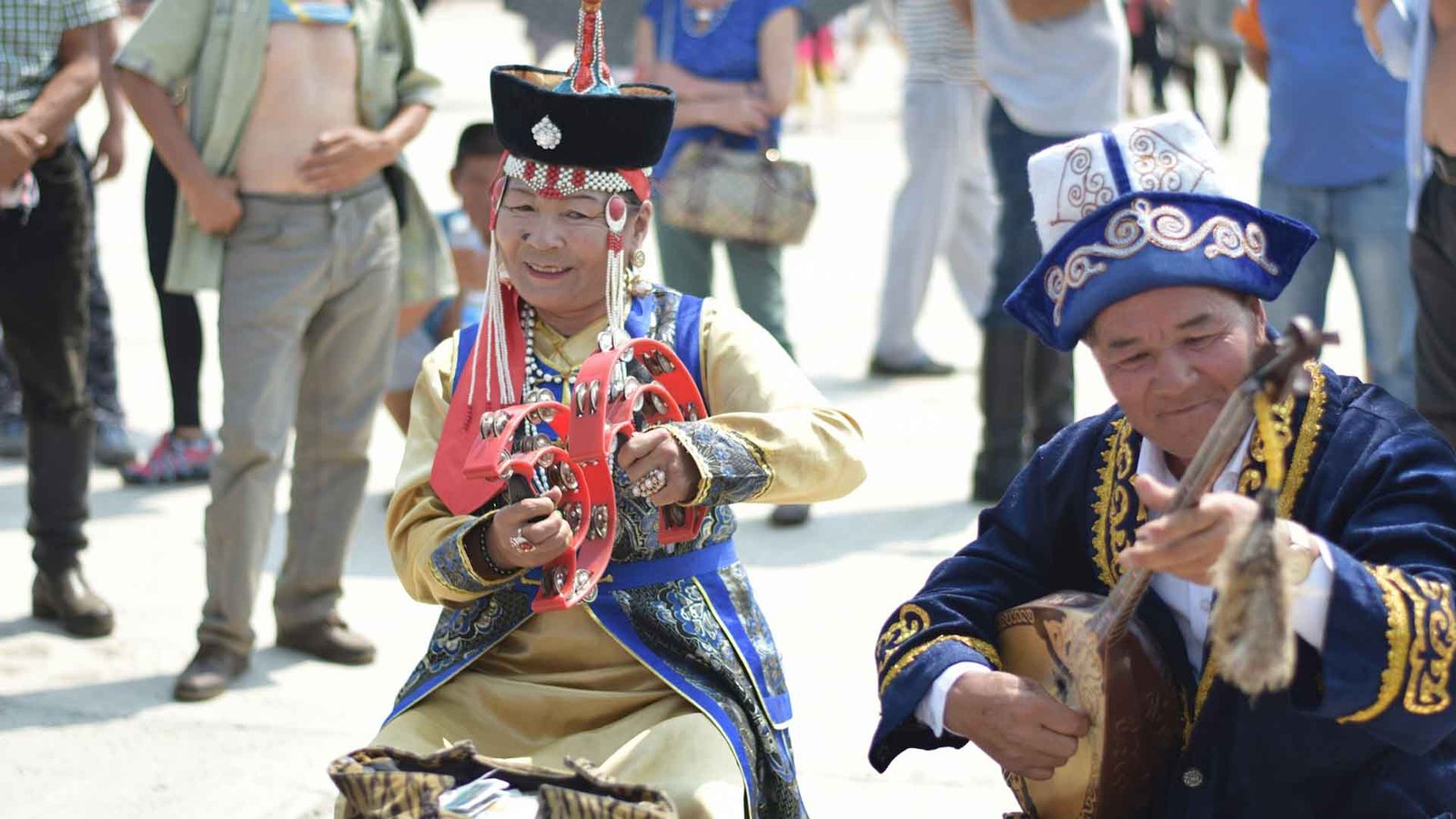
Later, meet a nomad family and step into a more intimate Mongolia. Tea is poured. Stories are shared through gesture, translation, and hospitality. You begin to understand pastoral life not as romance, but as discipline, knowledge, and a deep relationship with animals, seasons, and land.
The evening is shaped by open-fire cooking and the kind of sleep that comes after air, saddle, and silence.
Overnight: Ger camp / nomad area
Ride onward across wide terrain toward Bronze Age grave sites, where the past lies gently within the land. Mongolia’s history is not only found in museums or cities; it is scattered across plains, hills, stones, burial mounds, and routes shaped by centuries of movement.
The day is paced to be immersive rather than exhausting. You ride with attention: to the horse’s rhythm, the changing ground, the shape of distant hills, and the strange intimacy of landscapes that seem empty until you learn how full they are.
Camp or overnight in a simple local setting, with the evening kept quiet for rest and reflection.
Overnight: Ger camp / countryside camp
Leave the riding route for a scenic drive toward the Orkhon region, where Mongolia shifts in texture again. At Elsen Tasarkhai, dunes rise unexpectedly from the landscape—soft, golden, and almost surreal against the surrounding steppe.
The contrast is beautiful: grassland, sand, sky, and distant hills. It is a reminder that Mongolia’s landscapes are not one thing, but many moods unfolding across great space.
Continue toward Shankh Monastery, where spiritual calm enters the journey. The monastery adds cultural depth after days of riding and ancient stone memory, offering a quieter lens into Mongolian Buddhist tradition.
Arrive near the Ulaan Tsutgalan / Orkhon Valley region for a calm ger night, letting the body rest before the mountain trek begins.
Overnight: Ger camp near Orkhon Valley / Ulaan Tsutgalan region
Today, the journey becomes more remote.
Begin your horse trek toward the Naiman Nuur lake system, a region of high country, forest, meadow, volcanic traces, and alpine silence. The ride climbs into more demanding terrain, and the landscape begins to feel colder, clearer, and more elemental.
Along the way, visit a yak-breeding family, gaining insight into mountain pastoral life. The rhythm here is different from the open steppe—hardier, quieter, shaped by altitude, weather, and seasonal movement.
Tonight is a tented night beneath a colder sky. The comfort is simpler, but the reward is profound: stars, fire, horse sounds, and the feeling of having crossed into a deeper Mongolia.
Overnight: Tent camp
Ride over Bodonchiin Pass toward Khuis Nuur, entering a landscape that feels increasingly alpine. The trail rises and falls through country shaped by forest, meadow, rock, and water. Distances feel different here. The world becomes quieter.
This is one of the journey’s most rewarding riding days—not only for the views, but for the sense of progression. Your body begins to understand the saddle. Your mind begins to settle into the rhythm. The group moves with growing confidence.
By the time you reach the lake country, the landscape feels stripped down to its essentials: water, sky, grass, horse, breath.
Overnight: Tent camp near Khuis Nuur / lake region
Today is dedicated to the Naiman Nuur lake system, one of the great quiet rewards of the journey. Explore Shireet Nuurand the surrounding lakes, where reflections, clear water, and open highland air create a sense of deep stillness.
After several days of movement, this day offers space between rides. Short walks, lake views, photography, rest, and unhurried time allow the landscape to settle into you. The beauty here is not dramatic in a loud way. It is spacious, reflective, and deeply calming.
The high lakes remind you that Mongolia’s luxury is not excess. It is room to breathe.
Overnight: Tent camp / lake region
Ride onward toward Tsagaan Azraga, allowing the body to find its deeper rhythm. By now, the horse is no longer simply transport. It is part of the journey’s language—how you read the land, measure distance, and move through silence.
The landscape opens and closes through forests, meadows, rolling ground, and small shifts of light. The day is about continuity: no single monument, no rushed highlight, just the meditative pleasure of moving steadily through wild country.
By evening, camp becomes a small glowing world—fire, food, warm layers, quiet conversation, and the immense dark beyond.
Overnight: Tent camp
Ride via Shavartai toward Uliastain Gol, where the river brings softness to the route. After days of open riding, a river camp feels restorative—water moving nearby, horses grazing, the air cooler and calmer.
The day’s ride continues the immersive wilderness rhythm, but the evening becomes the highlight. Camp beside the water, cook over fire, and let conversation slowly settle into silence. Mongolia often feels most powerful at the edges of the day: dawn, dusk, firelight, and the moments when no one feels the need to speak.
Tonight is simple, grounded, and unforgettable.
Overnight: River camp
Today brings the final long ride—a meaningful closing chapter to the horse trek. The distance asks for endurance, but also offers pride. By now, the movement is familiar: saddle, reins, breath, terrain, weather, and trust.
Ride toward nomad gers, where the journey returns from wilderness into hospitality. Share a farewell dinner with the horsemen, honouring the people, animals, and landscapes that have carried the experience forward.
There is gratitude here, and laughter, and the quiet satisfaction of completing something that felt real—not performed, not packaged, but earned.
Overnight: Nomad ger / ger camp
After the intimacy of the trek, travel toward the Kharkhorin / Karakorum region, where Mongolia’s imperial past enters the journey. The landscape that once held the heart of a vast empire now feels spacious and quiet, but the memory remains.
Visit heritage sites and cultural landmarks connected to Mongolia’s imperial and spiritual history. The contrast is powerful: after days of horse trails, tents, rivers, and nomad encounters, the story widens again into empire, trade, faith, and historical imagination.
This day allows the personal experience of riding Mongolia to sit beside the larger story of the country itself.
Overnight: Kharkhorin / Karakorum region
Return to Ulaanbaatar for your final night in Mongolia. After the wilderness, the city feels different: louder, warmer, more grounded in daily life.
The afternoon can be kept gentle, with time to rest, repack, and shop thoughtfully for cashmere, felt crafts, leather goods, textiles, or locally made objects. With curator guidance, shopping becomes less about souvenirs and more about choosing pieces that hold memory, craft, and place.
A final dinner closes the journey—a soft landing after the wildness of the ride.
Overnight: Ulaanbaatar
Transfer to the airport for your departure.
You leave with Mongolia carried in the body: the rhythm of horses, the smell of fire smoke, the sound of wind over grass, the stillness of high lakes, the warmth of nomad tea, and the quiet pride of having crossed landscapes that cannot be fully understood from a vehicle window.
The steppe stays with you—not as a place you visited, but as a rhythm you learned.
End of journey.
This journey includes introductory riding and gradual progression, but it is best suited for travellers with some comfort around horses or a willingness to learn. Complete beginners may join if they are physically fit, confident outdoors, and comfortable with basic instruction, but the longer riding days require preparation.
Horse riding is a central part of the journey, beginning with an introductory ride in Khustai and continuing through steppe, mountain, lake, and river landscapes. The most intensive riding section begins around the Naiman Nuur trek.
Prior riding experience is helpful but not always mandatory, depending on the final route and group level. Travellers should be comfortable spending several hours in the saddle and following guidance from local horsemen.
Yes, this is an active adventure journey. It includes riding, camping, uneven terrain, colder nights, basic facilities, and long outdoor days. It is not a standard comfort-focused sightseeing tour.
Accommodation includes city hotels in Ulaanbaatar, ger camps, nomad-style stays, and tented camps during remote riding sections. Comfort levels vary by location, especially in wilderness areas.
Yes, ger camp and nomad-style stays are part of the experience. These provide a deeper sense of Mongolian life and landscape, though facilities may be simple in remote areas.
Tent nights are basic but atmospheric, usually in remote mountain, lake, or river settings. Expect simple camping conditions, colder evenings, outdoor meals, and incredible night skies.
The route follows the planned itinerary, but Mongolia’s weather, terrain, animal movement, road conditions, and local access can require adjustments. Flexibility is part of travelling well in Mongolia.
The best time is generally from late spring to early autumn, especially June to September, when riding conditions are usually more favourable. High-country weather can still be cool and changeable.
Pack riding pants or comfortable trekking trousers, layered clothing, warm outerwear, gloves, sun protection, sturdy boots, a reusable water bottle, personal medicines, a headlamp, and any preferred riding or camping gear. A detailed packing list should be provided before departure.
Helmet availability depends on the local operator and final arrangement. Travellers who prefer a guaranteed fit and safety standard are encouraged to bring their own riding helmet.
Meals during remote trekking and camping sections are generally included as per the final plan. Food is usually simple, nourishing, and practical for outdoor conditions.
Vegetarian meals can be requested in advance, though options may be limited in remote areas. The team will coordinate where possible, but flexibility is helpful.
Internet access is available in Ulaanbaatar and may be limited in larger settlements. During ger camp, trekking, mountain, and remote sections, connectivity may be unavailable.
Yes. The journey can be adapted with shorter riding sections, more ger camp comfort, additional Ulaanbaatar nights, a softer cultural version, or a more advanced riding-focused route.
Because Mongolia rewards thoughtful pacing, cultural sensitivity, and strong local coordination. Inescape shapes the journey around rhythm, respect, wilderness beauty, and meaningful connection—so the ride feels immersive, not mechanical.
Booking & Payments: 100% Deposit confirms reservation.
Cancellations: Apply as per policies and notice period; full schedule shared at booking.
Route Flexibility: Mountain roads and border corridors can change due to weather or local permissions; we may reroute to maintain safety and experience quality.
Altitude & Health: High altitude can affect travelers differently. Guests must disclose relevant conditions and follow acclimatization guidance.
Insurance: Strongly recommended for medical + evacuation coverage.
Responsible Travel: We prioritize local partners and ethical experiences; respectful conduct is required at cultural sites and villages.