Paris to Rome: A 16-Day Cultural Journey Across Europe
A sweeping multi-country journey through France, Belgium, Germany, Czech Republic, Austria, Slovakia, Italy, and Vatican City where grand boulevards, medieval towns, imperial palaces, alpine castles, Renaissance cities, and sacred art unfold in one beautifully paced European arc.
Europe is not a single story. It is a continent of layers royal avenues and quiet canals, cathedral squares and café tables, Renaissance studios and imperial halls, mountain castles and lagoon cities. This journey traces that richness across borders, linking some of Europe’s most iconic capitals with smaller towns that hold the intimacy of another age.
Beginning in Paris and ending in Rome, the route moves through a grand cultural sequence: the elegance of Versailles, the medieval romance of Bruges, the modern pulse of Brussels and Frankfurt, Prague’s golden spires, Vienna’s imperial music, Bavaria’s grounded charm, Venice’s floating beauty, Florence’s artistic genius, Siena’s medieval warmth, and finally the grandeur of Rome and Vatican City.
This is a classic European traverse, reimagined in Inescape language: not just a fast checklist of cities, but a curated passage through art, architecture, memory, and movement. Expect a more active pace, but with moments of softness slow dinners, golden-hour walks, museum encounters, and the quiet pleasure of watching a continent change outside your window.
Arrive in Paris, the city that has taught the world how to linger. After your transfer and check-in, the first day is intentionally gentle—time to settle, refresh, and let the journey begin without urgency.
In the evening, step out for a first walk. Perhaps it is a quiet café on a corner, the glow of a boulangerie window, the rhythm of footsteps along a boulevard, or the distant shimmer of the Eiffel Tower. Paris does not need to announce itself loudly. It enters softly: through light, conversation, architecture, and the quiet confidence of a city that knows exactly what it is.
Tonight is about arrival—into Paris, into Europe, and into the scale of the journey ahead.
Overnight: Paris
Mood: Soft arrival, café culture, first city light
Begin in Montmartre, where Paris becomes intimate and artistic. The hilltop streets still carry echoes of painters, poets, musicians, and dreamers who once gathered here in small studios and smoky cafés. Walk past stairways, street artists, and quiet corners before reaching the high view that opens across the city.
From here, continue into Paris’s grander language—its boulevards, monuments, bridges, and formal avenues. The day is designed as an elegant orientation: the city as a living museum, where each neighbourhood has its own tempo. You trace classic sights, but with the Inescape lens: not rushing from one landmark to another, but understanding how Paris composes itself through proportion, light, and style.
Evening is yours to enjoy slowly. Paris rewards those who take dinner seriously and walking even more so.
Overnight: Paris
Mood: Artistic Paris, grand boulevards, city orientation
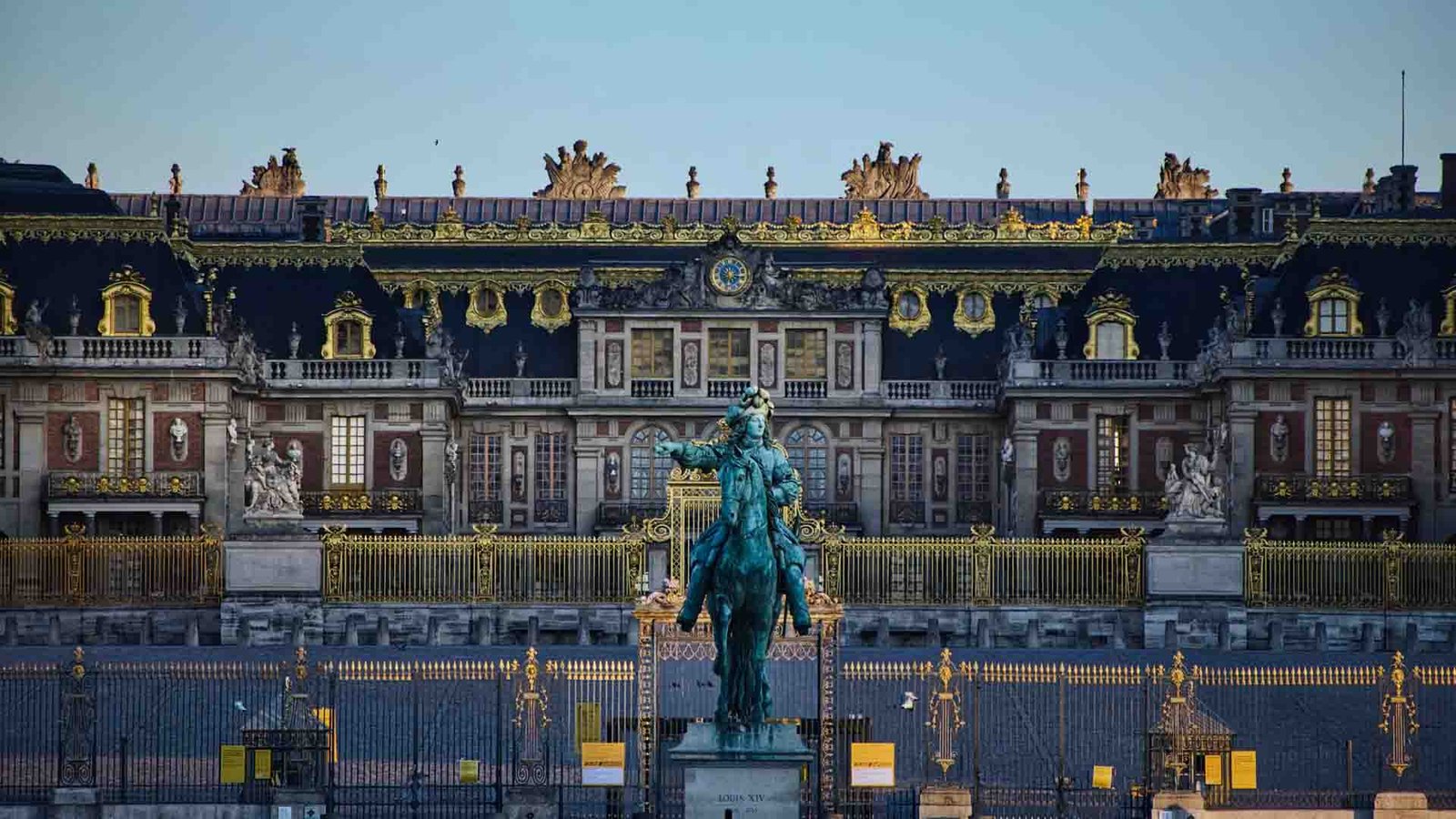
Today begins with royal scale. At Versailles, grandeur is not subtle—it is intentional. Hallways stretch into ceremony, mirrors multiply light, gardens extend into geometry, and every detail speaks of power, taste, and theatre. Walk through halls and courtyards where French history feels staged in gold, marble, and symmetry.
Return to Paris for a curated encounter with the Louvre, one of the world’s great art museums. Rather than trying to consume everything, the experience is best approached as a conversation with masterpieces—sculpture, painting, myth, empire, beauty, and human imagination across centuries.
Evening is left free. After a day of palaces and art, the finest luxury may be simple: a long dinner, a glass of wine, and the city glowing softly outside.
Overnight: Paris
Mood: Royal grandeur, world art, slow Paris evening
Leave Paris and travel toward Belgium, where the mood of Europe changes. Your first stop is Bruges, a town of canals, old brick lanes, stepped gables, stone bridges, and quiet squares that feel preserved from another time. Bruges is best experienced slowly—even if the visit is brief—through reflections on water, chocolate shop windows, and the hush of medieval streets.
Continue to Brussels, Belgium’s capital and a city of contrasts: ornate guild houses, European institutions, comic-strip walls, chocolate counters, and modern urban energy. A late-day view of the Atomium adds a futuristic punctuation to a day shaped by medieval charm and contemporary identity.
By evening, settle into Brussels and enjoy the city’s relaxed, cosmopolitan atmosphere.
Overnight: Brussels
Mood: Medieval romance, Belgian elegance, modern contrast
Begin with Brussels’ essential highlights. The city’s historic centre offers a richly decorated stage—grand squares, intricate facades, cafés, and the unmistakable pleasure of Belgian chocolate. There is a sense here of Europe as both old and administrative, playful and serious, compact and international.
Later, continue toward Frankfurt, where the continent shifts again. The skyline rises in glass, the river cuts cleanly through the city, and modern Germany presents itself with confidence. After the old towns and medieval textures behind you, Frankfurt offers contrast: sleek, practical, energetic, and distinctly contemporary.
Evening is easy—settle in, walk by the river if time allows, and prepare for the Central European chapter ahead.
Overnight: Frankfurt
Mood: Belgian charm, modern skyline, continental movement
Depart Frankfurt and pause in Nuremberg, a city where old walls, market squares, and layered history create a powerful sense of place. Its medieval core offers beauty, but also depth—Europe’s past here is complex, textured, and impossible to reduce to a postcard.
Continue onward into the Czech Republic, arriving in Prague by evening. The first glimpse is unforgettable: spires, domes, bridges, red rooftops, and the Vltava River threading through the city like a ribbon of memory.
Prague announces a new chapter—more lyrical, more atmospheric, almost musical in stone.
Overnight: Prague
Mood: Medieval history, Bohemian arrival, golden spires
Spend the day inside Prague’s layered beauty. Begin with the Castle District, where courtyards, cathedral towers, and royal memory rise above the city. St. Vitus Cathedral brings Gothic drama, while the surrounding lanes soften the grandeur with colour and intimacy.
Descend toward Charles Bridge, one of Europe’s most atmospheric crossings. Here, statues, river light, musicians, and views of Prague Castle come together in a scene that feels both public and deeply personal.
In Old Town Square, the city turns theatrical. The Astronomical Clock marks time with medieval imagination, while facades, towers, and hidden lanes invite slow wandering. Prague is a city that rewards curiosity: every turn seems to reveal a courtyard, a chapel, a café, or a view you were not expecting.
Evening is open for a classical concert, a quiet dinner, or a riverside walk.
Overnight: Prague
Mood: Castle grandeur, bridge light, old-world theatre
Leave Prague and travel toward the Danube world. Pause in Bratislava, Slovakia’s compact capital, where old-town lanes, castle views, and café culture offer a gentle interlude. It is a quieter European capital, and that is part of its charm.
Continue to Vienna, where the tone shifts toward imperial elegance. Vienna feels composed: broad avenues, palaces, coffeehouses, music halls, and a deep sense of cultural confidence. The city does not rush to impress; it simply surrounds you with refinement.
Evening is free to take a first walk, perhaps ending with cake and coffee in a classic Viennese café.
Overnight: Vienna
Mood: Danube transition, café culture, imperial elegance
Today reveals Vienna’s grand scale. Begin with a guided city experience that introduces the Austrian capital’s architectural rhythm—ring roads, opera houses, museums, formal squares, and elegant neighbourhoods.
Then visit Schönbrunn Palace, where imperial life unfolds through halls, gardens, and carefully composed grandeur. The palace is not only beautiful; it offers perspective on the Habsburg world and the cultural force that shaped much of Central Europe.
The evening is yours. Vienna is made for refined choices: a concert, an opera, a coffeehouse, or a slow dinner beneath chandeliers and old mirrors.
Overnight: Vienna
Mood: Imperial grandeur, music, refined leisure
Travel into Germany again, arriving in Munich, Bavaria’s confident capital. The city has a grounded energy—elegant but warm, historic but modern, proud of its traditions yet alive with design, museums, parks, and contemporary culture.
Depending on the day’s flow, explore modern landmarks, museum spaces, or the city’s central squares. Munich is less theatrical than Prague, less formal than Vienna, but deeply satisfying in its balance: beer gardens and boulevards, art museums and market halls, royal history and everyday ease.
Evening is relaxed—perhaps a traditional Bavarian meal, a walk through the old town, or a quiet drink in one of the city’s atmospheric halls.
Overnight: Munich
Mood: Bavarian confidence, design, grounded city life
Today can be shaped in two ways, depending on the traveller’s preference.
For those seeking deeper historical context, a visit to Dachau offers a solemn and important encounter with 20th-century memory. It is not an easy visit, but it is meaningful—best approached with respect, silence, and reflection.
For those preferring a gentler day, Munich offers another rhythm: parks, galleries, markets, cafés, and beer halls where local life unfolds with warmth. The city’s textures are many—royal avenues, modern museums, leafy gardens, and a sense of ease that feels distinctly Bavarian.
Evening brings the group back together, with space for conversation, rest, and reflection.
Overnight: Munich
Mood: Historical memory, cultural flexibility, Bavarian warmth
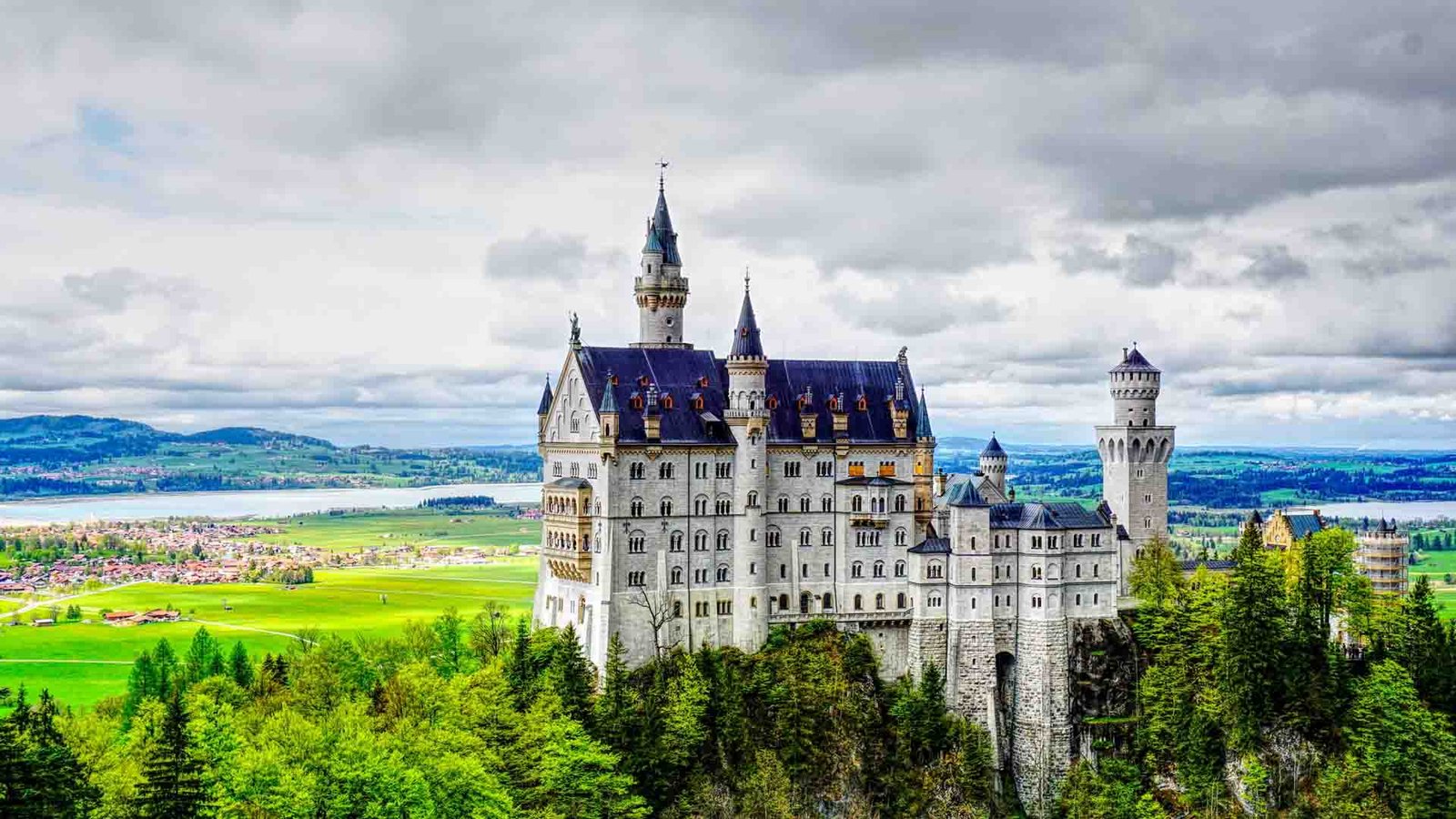
Depart Munich and travel toward one of Europe’s most iconic romantic visions: Neuschwanstein Castle. Set against alpine scenery, its towers and silhouette feel almost unreal—a dream of medievalism, built in stone, perched above forest and mountain.
After this fairytale pause, continue southward. The landscapes shift again as you cross toward Italy, eventually arriving in Venice, where the rules of the road dissolve and water replaces streets.
Venice is one of the great arrivals in travel. Boats, bridges, reflections, quiet canals, and palaces worn beautifully by time—it feels like stepping into another element altogether.
Overnight: Venice
Mood: Alpine romance, dramatic transition, lagoon arrival
Begin with Venice, a city best understood by movement across water. A vaporetto ride introduces the rhythm of the lagoon: palaces rising from canals, narrow bridges, hidden churches, and the soft instability of reflections.
Explore Venice’s essential atmosphere—its squares, canals, and layered maritime history—before continuing to Florence, where Europe’s artistic language changes once again.
Florence is where art becomes architecture, and architecture becomes daily life. By evening, the city greets you with warm stone, church domes, narrow streets, and the promise of Renaissance beauty waiting in the morning light.
Overnight: Florence
Mood: Lagoon beauty, Renaissance arrival, artistic anticipation
Today is devoted to Tuscany’s great visual language. Begin in Florence, where masterpieces are not hidden away from the city—they shape it. Cathedrals, piazzas, sculpture, and museum treasures create an atmosphere of disciplined beauty and human genius.
Later, continue to Pisa, where the famous Leaning Tower offers a playful counterpoint to Florence’s intensity. The marble ensemble of the Piazza dei Miracoli is elegant and luminous, especially in soft light.
Return to Florence for the evening. Tuscany rewards slowness: a warm dinner, local wine, and a walk through streets where history feels golden rather than heavy.
Overnight: Florence
Mood: Renaissance art, marble beauty, Tuscan evening
Travel through Tuscany to Siena, one of Italy’s most evocative medieval cities. Its shell-shaped Piazza del Campo feels like a stage for civic life—brick, tower, slope, and space arranged with extraordinary grace. Siena’s streets are narrow and atmospheric, carrying a mood that is intimate and deeply Italian.
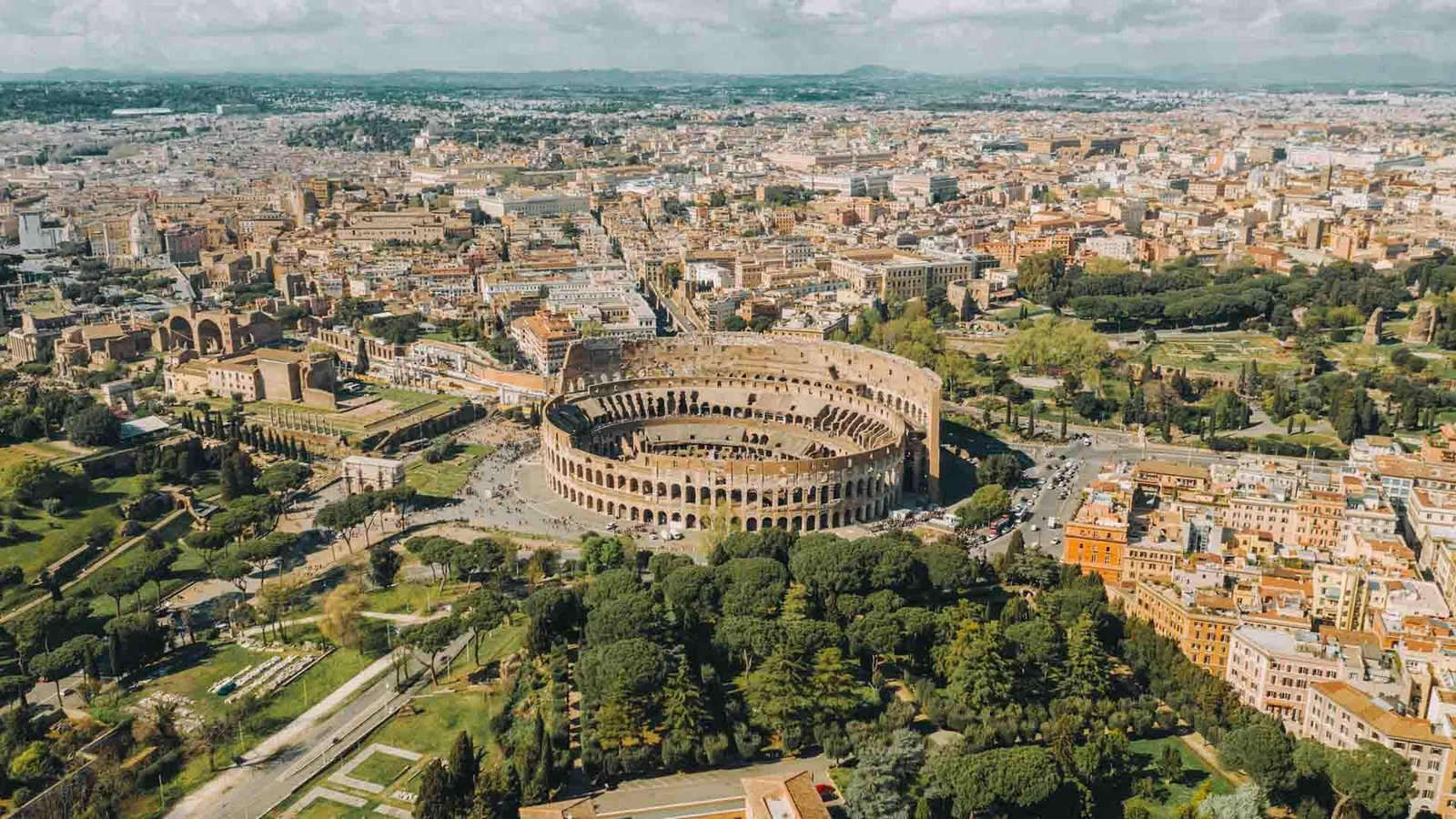
Then continue to Rome, where the journey reaches imperial scale. The Colosseum and ancient streets remind you that Europe’s story is not linear—it is layered, built over itself, alive in ruins and rituals.
Evening in Rome feels like arrival into myth: fountains, piazzas, stone pines, trattorias, and the soft theatre of everyday life.
Overnight: Rome
Mood: Medieval Tuscany, Roman grandeur, layered history
The journey concludes with Vatican City, where art and faith meet on a scale few places can match. The Vatican Museums hold centuries of collecting, devotion, patronage, and genius; each corridor feels like a passage through beauty and belief.
At St. Peter’s Basilica, the scale is overwhelming, but the emotional centre is quieter: light, marble, silence, and the feeling of standing inside one of the world’s great sacred spaces.
This is a fitting end to the grand traverse—from Parisian boulevards to Roman basilicas, from medieval canals to Renaissance piazzas, from imperial palaces to sacred art. Transfer onward as scheduled, carrying the continent’s many voices with you.
End of journey.
Yes. This journey is ideal for first-time visitors who want to experience a broad and iconic sweep of Europe, including Paris, Prague, Vienna, Munich, Venice, Florence, Rome, and several important heritage towns.
Yes, this is an active multi-country traverse. It includes frequent city changes and overland travel. It is best suited for travellers who want to see many highlights in one journey and are comfortable with a fuller schedule.
Yes. The journey can be softened by adding extra nights in key cities such as Paris, Prague, Vienna, Venice, Florence, or Rome. We can also reduce the number of stops for a more relaxed luxury version.
Accommodation is arranged according to your selected category, ranging from comfortable city hotels to premium and boutique options. Inescape can upgrade hotels in key cities for a more refined experience.
Entrance fees for major listed attractions can be included in the final package, depending on the confirmed plan. These may include Versailles, the Louvre, Schönbrunn Palace, Neuschwanstein region, Colosseum area, Vatican Museums, and other selected sites.
Yes. While the pace is active, the route includes many romantic cities and atmospheric experiences—Paris, Bruges, Prague, Vienna, Venice, Florence, Siena, and Rome are all ideal for couples who enjoy culture and movement.
Yes, especially for families with older children or teenagers interested in history, art, architecture, and iconic European cities. For younger children, we recommend customising the itinerary with fewer stops and more free time.
Expect moderate to significant walking, especially in historic centres such as Paris, Bruges, Prague, Vienna, Venice, Florence, Siena, Rome, and Vatican City. Comfortable walking shoes are essential.
Yes. Several evenings and some portions of the itinerary are kept flexible, allowing time for cafés, dinners, concerts, shopping, river walks, and personal exploration.
Spring and autumn are especially pleasant for a multi-country Europe journey, with milder weather and fewer crowds than peak summer. Summer is lively but busier, while winter can be magical with festive markets and quieter museums.
Visa requirements depend on your nationality and the countries included in the final route. Many of these countries are within the Schengen Area, but travellers should confirm requirements before booking.
No. The Dachau-area historical visit can be optional. Travellers may choose a gentler Munich day focused on parks, markets, museums, and Bavarian culture instead.
Yes. It can be upgraded with 5-star hotels, private guides, premium transfers, fine dining, opera or concert tickets, after-hours museum experiences, and additional nights in major cities.
This journey is best for travellers who want a wide European overview with strong cultural highlights. It suits those who enjoy history, architecture, art, iconic landmarks, and the energy of travelling across borders.
Because a grand Europe tour can easily become rushed and generic. Inescape shapes the experience with stronger storytelling, better pacing, curated cultural context, and thoughtful optional upgrades—so the journey feels meaningful, not mechanical.
Booking & Payments: 100% Deposit confirms reservation.
Cancellations: Apply as per policies and notice period; full schedule shared at booking.
Route Flexibility: Mountain roads and border corridors can change due to weather or local permissions; we may reroute to maintain safety and experience quality.
Altitude & Health: High altitude can affect travelers differently. Guests must disclose relevant conditions and follow acclimatization guidance.
Insurance: Strongly recommended for medical + evacuation coverage.
Responsible Travel: We prioritize local partners and ethical experiences; respectful conduct is required at cultural sites and villages.